Guinea Pigs
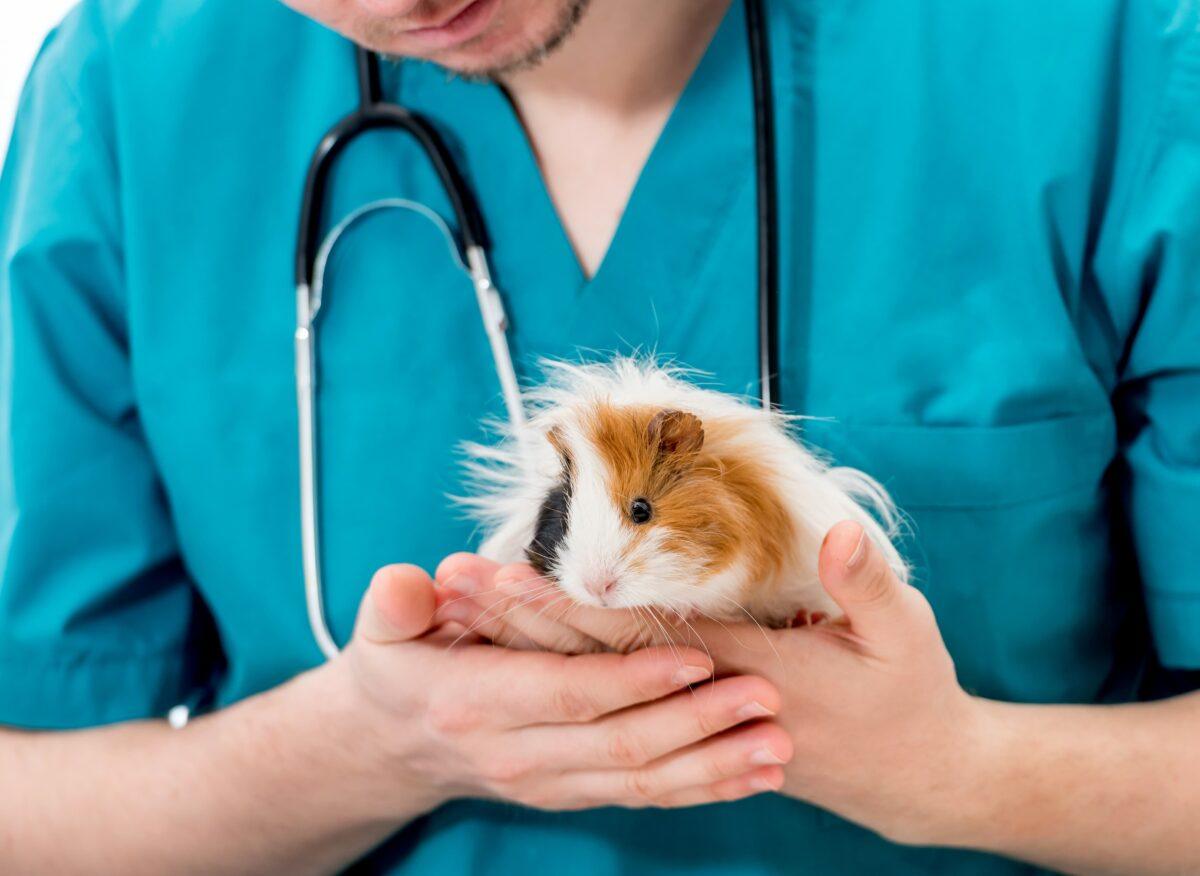
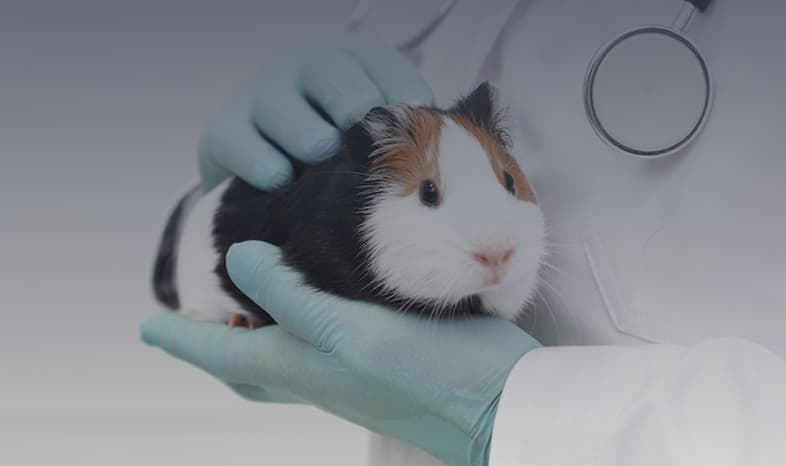
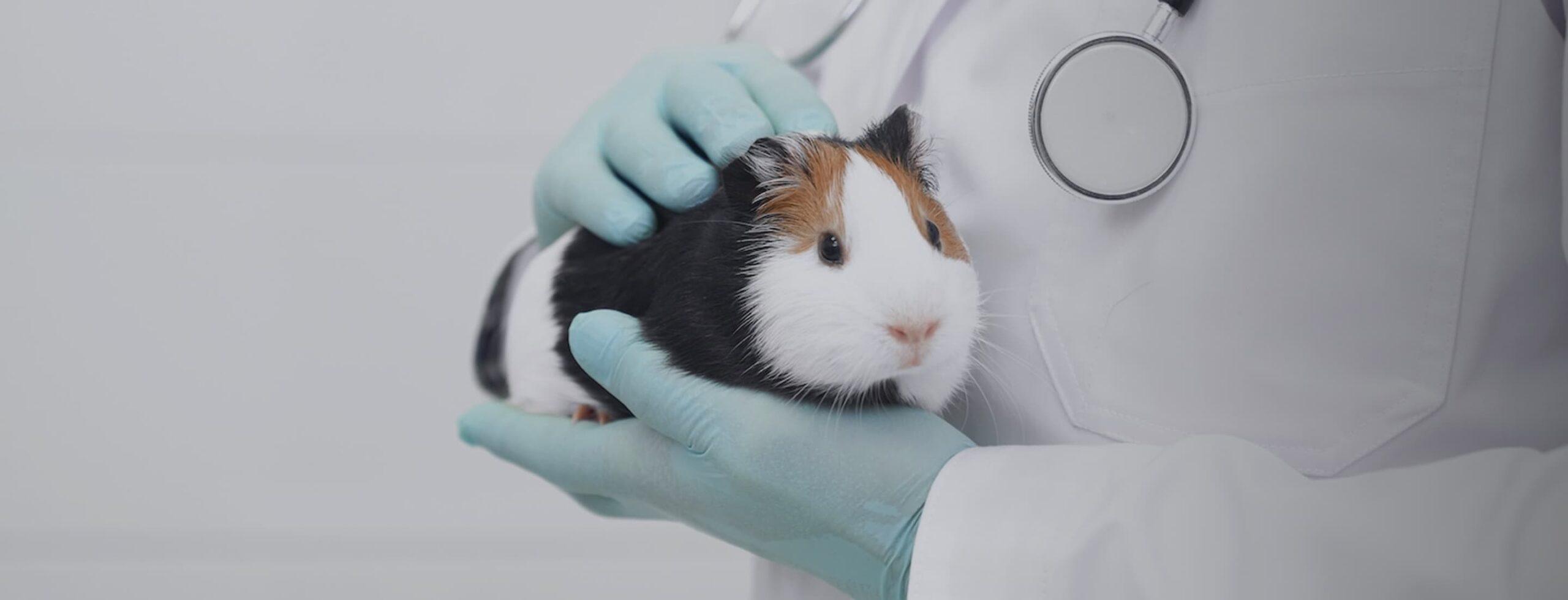
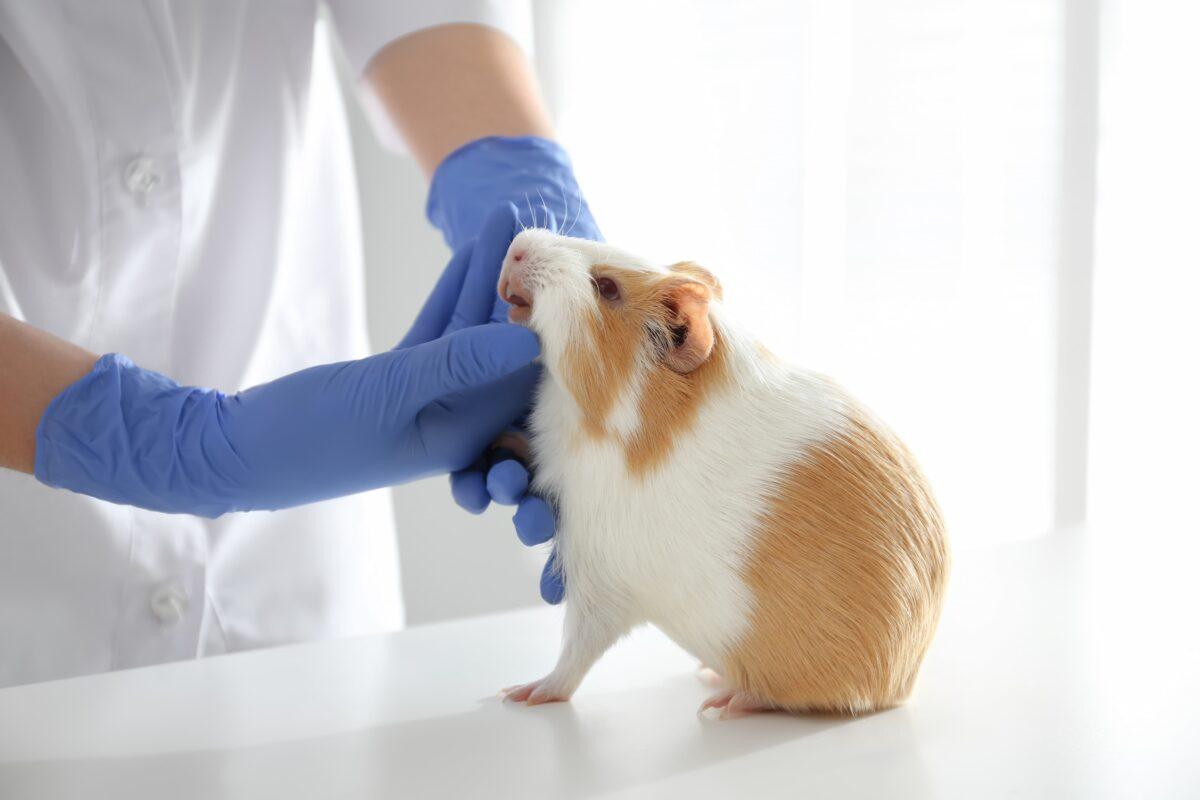
Considered highly social rodents, it is recommended that guinea pigs live with other guinea pigs to support their mental well-being. Unlike most mammals, they cannot produce their own vitamin C. To prevent deficiency, they must receive it daily through their food or supplements. Guinea pigs are also prone to gastrointestinal stasis, bladder stones, respiratory infections, and dental issues. Their teeth are constantly growing, so they are more prone to dental disease if they do not have proper hay intake.
Because Guinea pigs are prone to these risks, veterinary care focuses heavily on dental monitoring, nutrition counseling (unlimited hay and vitamin C supplementation), and early detection of urinary or respiratory issues.
Hamsters
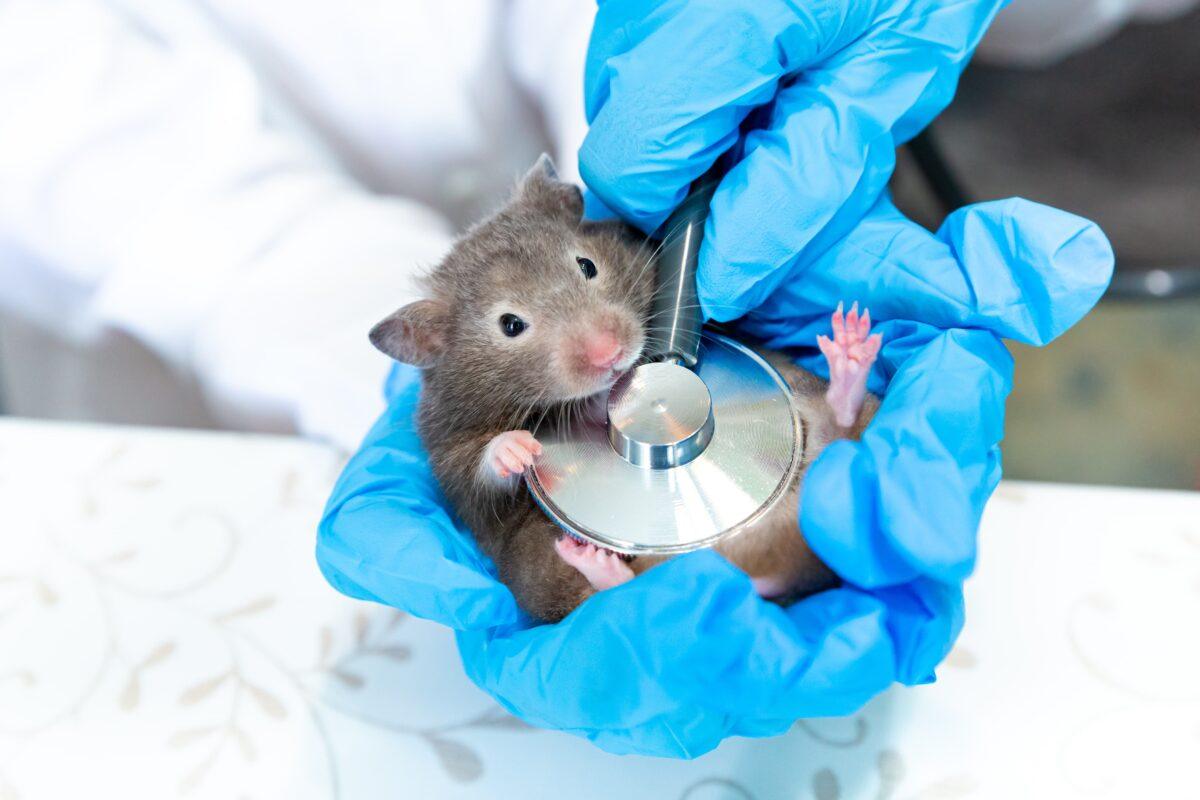
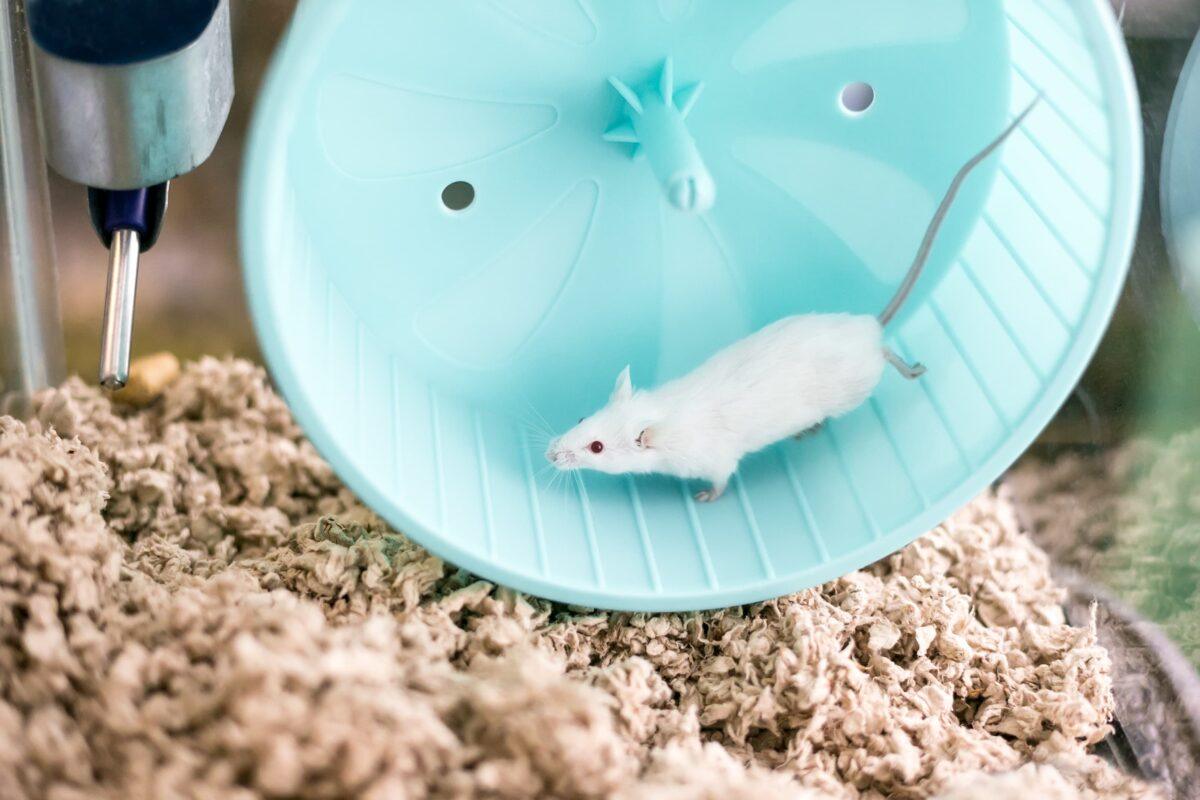
To prevent fighting and stress, most hamsters typically prefer to live alone. They can be quite the escape artists, so a secure, well-ventilated enclosure is essential. At the same time, providing appropriate bedding (for burrowing) and a balanced diet that supports their continuously growing teeth is just as important, as they require proper nutrition and natural chewing to stay healthy.
One of the most fatal conditions seen in hamsters is “wet tail,” a life-threatening gastrointestinal disease. Veterinary care for hamsters focuses on early intervention for digestive illness, dental monitoring, and parasite treatment when needed.